
the power of boredom
Attention is the most valuable and sought-after commodity in this world —
and modern society is designed to keep it hooked at all times.
From the moment we wake up until the moment we go to sleep, we’re bombarded with stimulus: notifications, advertisements, news, social media, 24/7 entertainment, and an endless flurry of activities and demands on our time and energy.
Chronic “doingness” creates an unconscious but very real addiction to busyness. We become trapped in motion, rather than guided by meaning.
It starts when we’re young and before we know it, stillness, solitude, and self-reflection feel unfamiliar — even profoundly uncomfortable. So most people avoid them at all costs.
We mistake quiet for loneliness and emptiness. We equate inactivity with laziness, boredom, and failure. And as a result, we never give ourselves the space to think deeply, imagine freely, and connect with our true selves.
Then we (unknowingly) train our children to do the very same thing.
Parents imprint stimulation-addiction and stillness-aversion onto their children without even knowing it.
By filling their kids’ every waking moment with school, structured activities, schedules, and screens — by keeping them in a constant state of doing — they unknowingly steal their opportunity to master the other half of life (the one from which everything else is sourced): simply being.
And there is perhaps no greater sign of “beingness” than the sensation of BOREDOM.
Boredom is an indicator of spaciousness. A sign of freedom. A fertile expanse in which creativity, self-discovery, and connection to something so much deeper can flourish.
Yet most of us never give our kids the chance to break through the temporary discomfort of boredom into the incredible gifts that lie beyond…
Most families have scheduled their lives down to the minute.
How Modern Life Steals a Child’s Time
Children today have jam-packed schedules:
40+ hours per week in school
20+ hours per week on homework, extracurriculars, and travel to and from
42+ hours per week on screens (on average!)
Minimal free time for self-directed play, reflection, or creativity
Add to this all the ways that children are trained to be constantly occupied and constantly directed by outside forces, and you have a generation of dependent humans who don’t know how to meaningfully or masterfully direct their own lives.
This kind of hyper-structured childhood has serious consequences. Here are some of the things it conditions in our kids:
Weakened Sense of Self: Constant external input prevents children from listening deeply to their own thoughts, feelings, and desires. If children are constantly being told what to do, how can they ever learn to hear their inner voice, much less follow it?
Loss of Creativity: Free time, play, and daydreaming are essential ingredients for creative thinking, but kids are experiencing less and less uninterrupted quiet time (without screens).
Dependence on External Motivation: Constantly being told what to do inhibits a child’s ability to make decisions for themselves, take initiative, trust their instincts, and confidently lead their own lives.
Inability to Tolerate Stillness or Solitude: Without exposure to stillness, children never develop comfort being alone with themselves, their thoughts, and their feelings, leading to a lifelong dependence on distractions.
Higher Levels of Anxiety and Depression: A packed schedule leaves little room for emotional processing, decompression, and deep rest. Over time, it trains kids to push down and ignore their physical and emotional needs.
Limited Connection with Nature & The Real World: Constant structure and adult-led activities leave children feeling disconnected from their own sense of self. And many of these activities (especially school) keep them trapped indoors for the majority of their lives.
The world tells us that more activity is better and that being busy equals productivity. But it is in stillness that children become the best thinkers, dreamers, and innovators.
Boredom is simply untapped stillness — and it’s the key to shifting our children from experiencing their world from the outside in, to creating it from the inside out.
Why Boredom is the Gateway to Brilliance
The concept of “boredom” is one giant misconception.
The idea that “nothing is happening” is merely a limiting belief ingrained in us by a society that glorifies busyness.
The belief that “there’s nothing to do” is an indicator that our imagination is being vastly underused (and begging to be reawakened!).
As they say, “Only boring people get bored.”
When you have a strong imagination, no matter the circumstance, there is never a cause for boredom.
Many famous thinkers, artists, and inventors credited boredom, daydreaming, and unstructured time as essential to their creativity and breakthroughs:
Albert Einstein famously credited his insights to long periods of thought, idleness, and staring out the window daydreaming.
Isaac Newton famously discovered gravity while sitting idly beneath an apple tree, having been dismissed from school due to the Great Plague.
Steve Jobs often took long walks without distraction, which helped him generate his most innovative ideas. He once said, “I’m a big believer in boredom. Boredom allows one to indulge in curiosity, and out of curiosity comes everything.”
J.R.R. Tolkien imagined Middle Earth while letting his mind wander during unstructured time in the trenches during WWII.
Boredom isn’t a void, it’s a portal.
It is in these moments of nothingness that humans begin to think deeply, wonder, create, and discover who they truly are.
When a child says, “I’m bored,” they’re standing on the edge of something extraordinary: their comfort zone!
Boldly moving beyond the comfort zone is one of the most valuable skills we can instill in our kids — it’s what awakens their true potential, forges their courage, and deepens their trust in life itself.
So yes, at first they might feel restless or uncomfortable. But when there’s no one to rescue or direct them, and no device to entertain them, something magical happens: they start to follow their own curiosity, passion, and inner compass.
They pick up a stick and turn it into a sword, a wand, or a paintbrush
They build a fort out of blankets and imagine new worlds
They write and illustrate their own chapter book
They create their own currency and open a “store”
They clean their room, or bake some muffins
They get lost in thought and discover something new about themselves or the world
Boredom teaches kids how to think outside the box and turn their ideas into reality. And there is simply no greater education than that.
So how can we encourage and protect this valuable life skill in a world that actively tries to undermine it?
How to Reclaim Boredom as a Teacher
We all want to raise deeply confident, wildly creative, powerfully self-directed, fiercely passionate humans.
And truly, so much of this begins with a giant dose of boredom (a.k.a. freedom to just be) in childhood, and beyond.
Here are some powerful ways you can reclaim boredom as a teacher in your child’s life:
1. Say No to Over-Scheduling:
Protect large, unstructured blocks of time in your child’s day. Resist the pressure to fill every hour with activities. Encourage them to get good at identifying and deciding for themselves when they need activity vs down time.
2. Limit Screen Distractions:
Screens eliminate boredom instantly — and they can also eliminate imagination, curiosity, and independent thought if not used consciously. For a child addicted to screens, their removal can feel difficult at first. But in no time, their imaginations will reawaken and start to flourish.
3. Encourage Infinite Possibility:
Provide an abundance of materials like art and craft supplies, instruments, building blocks and materials, nature elements, and outdoor gear, and let your child take the lead (and make a mess!).
4. Teach Boredom as a Positive:
Instead of rushing to entertain them when they complain of boredom, encourage them: “That’s great! I can’t wait to see what you come up with. Let me know how I can support your ideas.”
5. Be Their “Yes Person:”
If your child asks you a question, use it as an opportunity to research, investigate, or explore a topic together. If they want to bake cookies but need guidance, say, “Heck yes!” If they want to take out 20 tubes of paint to create something, don’t limit them with your concerns about messiness or time. Saying yes as often as you can models to your children what it looks like to follow interests and passions while they’re hot, and before you know it, they’ll be doing it all on their own. (hint: this is the secret of homeschool, and child-led education!)
The Freedom to Simply Be
Truly there is no greater strategy than simply giving your children as much freedom as possible.
Boredom is freedom materialized (and often misinterpreted).
Rather than raising our kids to become dutiful slaves to hustle culture, we can use the magic of boredom to empower them to become masters of their own freedom.
After all, if we want to raise truly free humans, we must educate them in ways that truly set them free.
Homeschooling is the ultimate tool for freedom because it places education back where it belongs — in the hands of the child and their family.
Unlike traditional schooling, which dictates what, when, and how a child learns, homeschooling allows everything we’ve covered in this article — self-directed curiosity, passion, and real-life experiences — to be the driving forces of education.
If you’re ready to reclaim your child’s education and give them the freedom to truly own their learning, our program will show you exactly how to do it—with clarity, purpose, and ease.
So the next time your child says, “I’m bored,” you can smile and know that they are standing at the edge of something extraordinary. Let them fall into it. Let them discover the art of boredom — because in that stillness, their greatest potential is waiting.
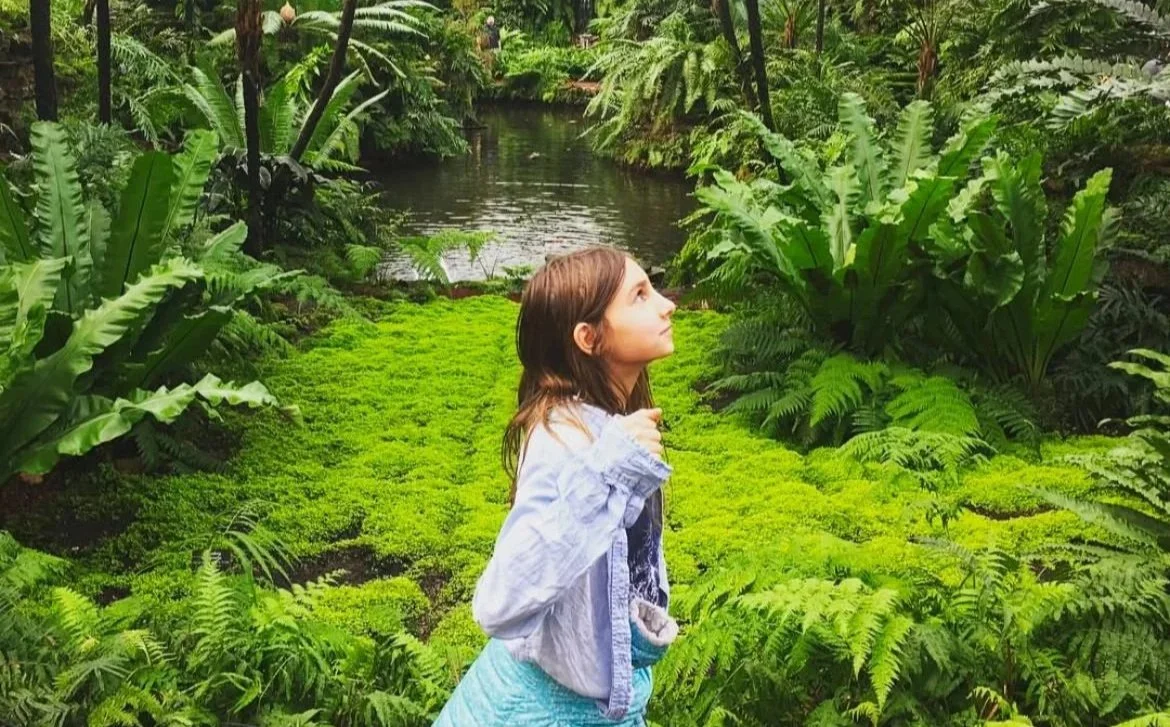
how “doing nothing” can unlock a child’s greatest potential